
After years of soaring housing costs, renters across the United States are finally seeing some relief. Recent housing data shows that rental prices have been gradually cooling, with February 2026 marking a notable milestone.
According to a new report from Realtor.com, the national median asking rent for smaller units has fallen to its lowest level in four years. Even more interesting, rent prices have now declined for 30 consecutive months, signaling a steady shift in the rental market.
While rents remain higher than pre-pandemic levels, several major metro areas are experiencing significant drops compared to their pandemic peaks offering renters more options and negotiating power than they’ve had in years.
Median U.S. Rent Drops for the 30th Straight Month
Data from Realtor.com’s rental market analysis shows that asking rents for 0- to 2-bedroom properties across the 50 largest metro areas declined year-over-year in February.
Key highlights from the report:
- Median asking rent: $1,667
- Year-over-year decline: $29 (about 1.7%)
- Drop from 2022 peak: 5.1% lower
- Still above pre-pandemic levels: 14.2% higher
Although rent prices have cooled compared to their pandemic highs, the long-term trend still shows elevated housing costs compared to the years before 2020.
One important takeaway: All 50 metro areas analyzed now have rents below their pandemic peak levels.
This suggests the rental market may finally be stabilizing after the rapid price increases seen during the pandemic housing boom.
Cities Seeing the Biggest Rent Declines
Some metro areas have experienced far more dramatic rent corrections than others.
In fact, 15 housing markets now have rents at least 10% lower than their pandemic peak, making them some of the most renter-friendly cities in the country.
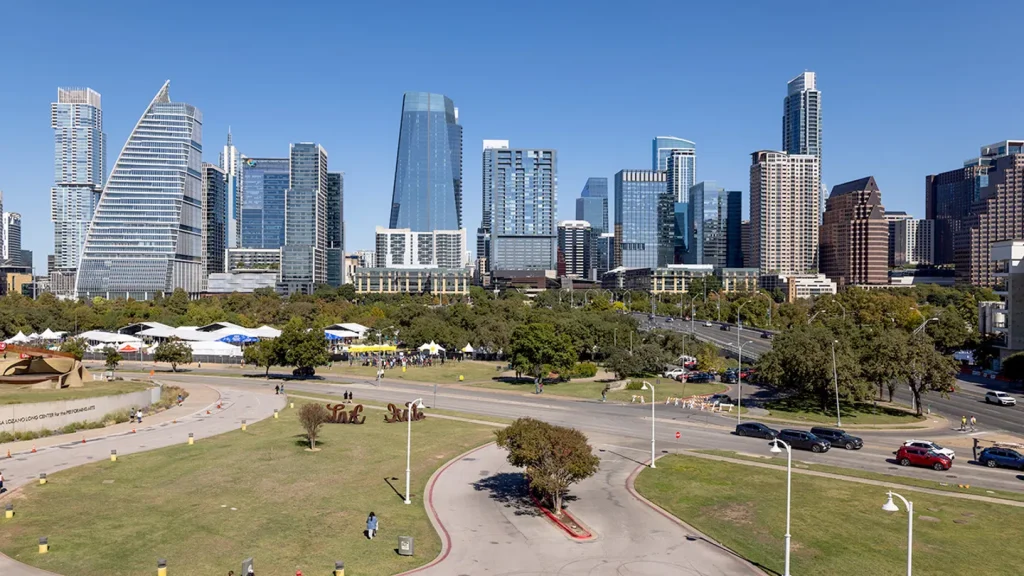
Austin, Texas Leads the Decline
Austin experienced the largest drop in rental prices among major U.S. metro areas.
Key figures for Austin:
- 18.2% decline from pandemic peak
- 7.1% drop year-over-year
Austin’s rapid housing construction boom has helped increase supply, which in turn has pushed rents lower as landlords compete for tenants.
Birmingham, Alabama
Birmingham ranks second among metro areas with the biggest decline.
- 17.1% drop from peak levels
- 3.4% lower than last year
The city saw strong rent growth during the pandemic, but prices have gradually cooled as the market normalizes.
Memphis, Tennessee
Memphis also experienced a substantial rent correction.
- 16.1% decline from peak
- 3.8% decrease compared to last year
Even with the decline, Memphis remains relatively affordable compared to many major U.S. housing markets.
Other Cities With Major Rent Drops
Several cities across the Sun Belt region—which saw explosive population growth during the pandemic—are now experiencing notable rent declines.
Major examples include:
Phoenix, Arizona
- 15.6% drop from peak
- 4.4% decrease year-over-year
Atlanta, Georgia
- 15.2% decline from peak
- 2% drop compared with last year
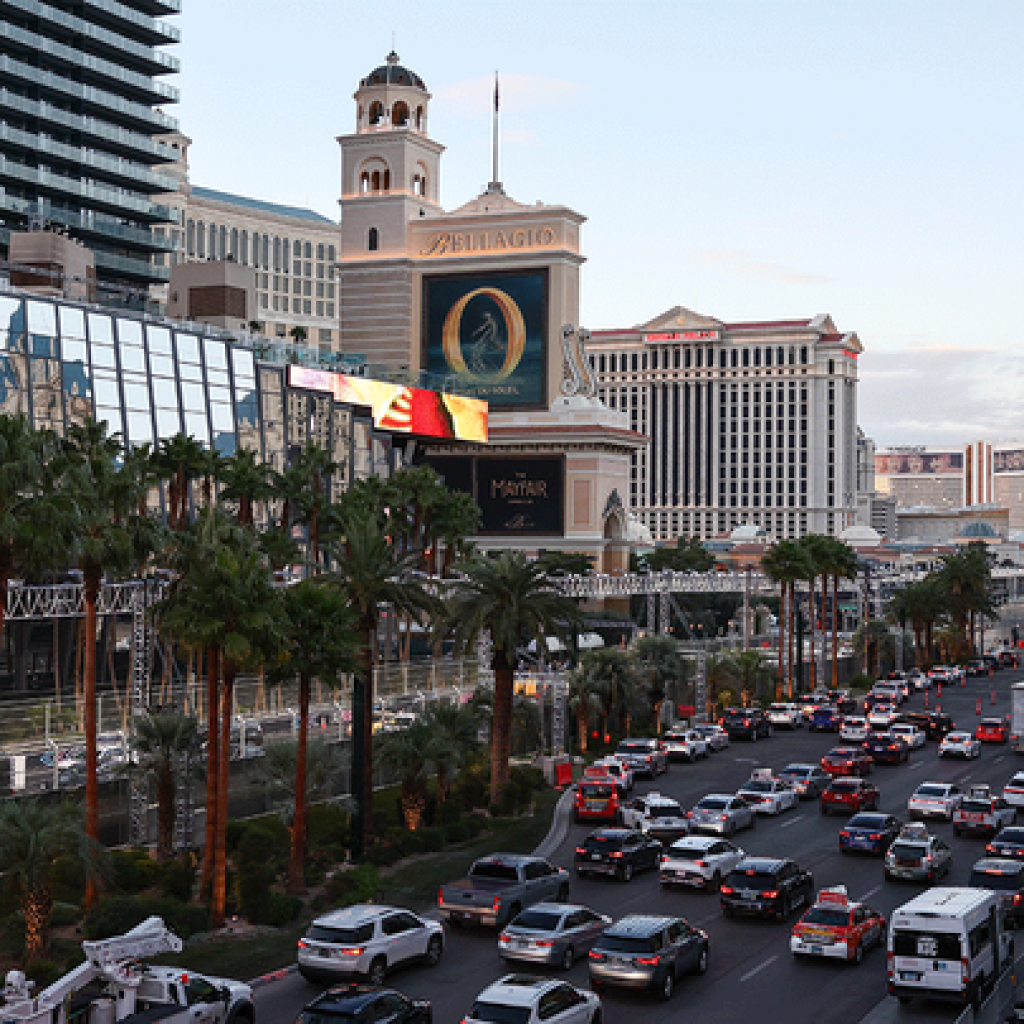
Las Vegas, Nevada
- 14.8% drop from peak
- 1.8% decrease year-over-year
San Diego, California
- 14.3% decline from peak
- 3.7% drop from last year
These declines highlight how markets that experienced rapid pandemic migration and construction booms are now correcting.
Cities Where Rent Prices Remain Relatively Stable
Not every housing market is seeing significant rent relief. Some metro areas have experienced only modest declines since their peak rental prices.
Virginia Beach, Virginia
Virginia Beach recorded the smallest rent decline among major markets.
- 1.7% drop from peak
- 4.5% increase year-over-year
This suggests rental demand in the region remains relatively strong.
Kansas City, Missouri
Kansas City’s rental market has remained fairly stable.
- 1.8% drop from peak
- 1% increase compared with last year
Baltimore, Maryland
Baltimore also saw minimal rent corrections.
- 2.4% decline from peak
- 0.8% increase year-over-year
These cities illustrate how local economic conditions and housing supply can significantly influence rent trends.
Why Rent Prices Are Falling
Several major factors are contributing to the recent cooling of rental prices across the United States.
1. Increased Housing Supply
A surge in apartment construction during the pandemic housing boom has finally added new units to the market.
More available housing means landlords must compete harder for tenants.
2. Slower Population Growth in Certain Cities
Cities that experienced huge population influxes during 2020–2022 are now seeing migration slow down, reducing rental demand.
3. Higher Cost of Living
With inflation affecting everyday expenses, many renters are downsizing or seeking cheaper housing options.
4. Changing Housing Preferences
Remote and hybrid work have changed where people choose to live, spreading demand more evenly across regions.
What This Means for Renters in 2026
For renters, the current market shift could present several opportunities:
- More negotiating power with landlords
- Greater apartment availability
- Potential rent concessions or incentives
- More competitive pricing in high-growth cities
However, experts note that rents are still significantly higher than pre-pandemic levels, meaning affordability challenges remain for many households.Read More: Latest News
Tips for Renters Looking to Save in 2026
If you’re searching for a new rental this year, consider these strategies:
- Compare listings across multiple neighborhoods
- Negotiate lease terms when demand is lower
- Look for newly built apartment complexes offering promotions
- Consider longer leases for price stability
- Monitor seasonal price trends (winter often has lower rents)
These tactics can help renters take advantage of the cooling market.
Frequently Asked Questions
Why are U.S. rents falling in 2026?
Rents are dropping mainly due to increased apartment supply, slowing demand in some cities, and a correction after the rapid price growth during the pandemic housing boom.
What is the average rent in the U.S. in 2026?
As of February 2026, the median asking rent for smaller units in major metro areas is about $1,667 per month.
Which city had the biggest rent drop?
Austin, Texas recorded the largest decline, with rents falling 18.2% from their pandemic peak.
Are rent prices expected to keep falling?
Some experts expect rent growth to remain slow or slightly negative in certain cities while new housing supply continues to enter the market.
Conclusion
The U.S. rental market is finally showing signs of cooling after several years of intense price growth. With rents falling for 30 consecutive months, many renters are starting to see modest relief.
Cities like Austin, Phoenix, Atlanta, and Las Vegas are leading the trend with some of the largest declines from pandemic highs.
Still, despite these drops, rents remain well above pre-2020 levels, meaning affordability challenges haven’t fully disappeared.
For renters willing to shop around and negotiate, however, 2026 could offer one of the most favorable rental markets in recent years.
