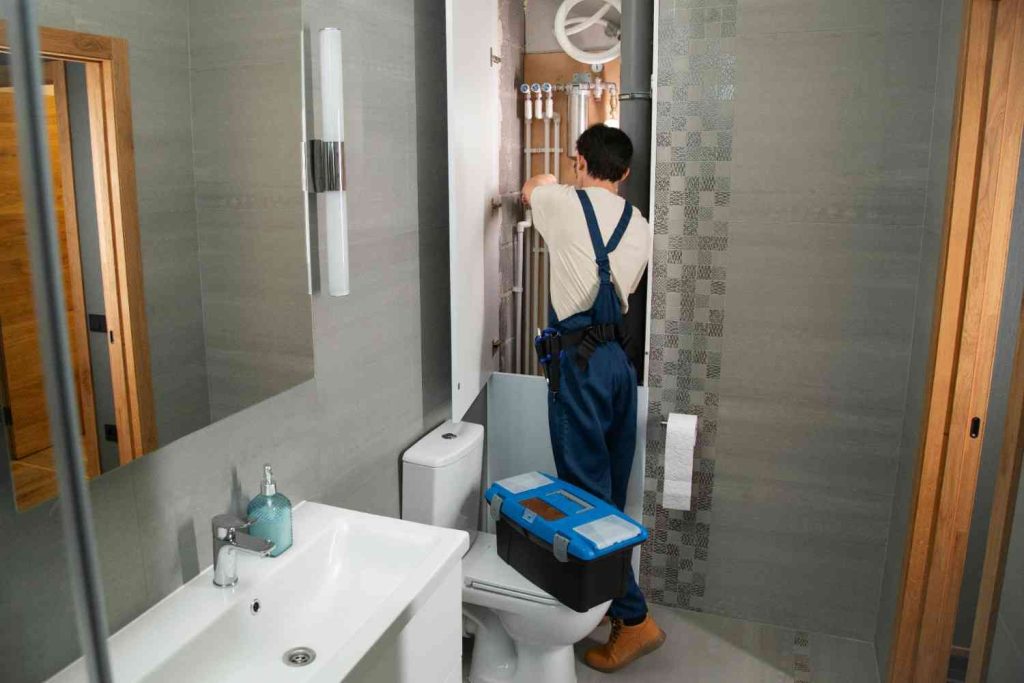
I’ve had a plumber leave a job half-finished, disappear for three days, and then send an invoice for the full amount. I’ve had another one “fix” a leaking pipe only for it to burst again six weeks later, worse than before. And I know I’m not alone. Ask anyone in a Dublin WhatsApp group what their worst home experience was, and nine times out of ten, it involves a tradesperson.
So no, this isn’t one of those generic “check their reviews!” articles. This is the stuff I wish someone had told me before I handed over €400 for a job that took 45 minutes and left my bathroom worse off.
Here’s what actually matters when you’re looking for a plumber in Dublin.
Start With Who You Trust, Not Google
I know that sounds obvious. But when most people need a plumber urgently, their first instinct is to Google “plumber near me Dublin” and click the first result. That first result is almost always a paid ad. And paid ads tell you nothing about whether the person showing up to your home is any good.
Before you open Google, ask someone. Your neighbour who just redid their bathroom. The person in your area Facebook group who posted about their new boiler. Your local hardware shop on the Northside, these guys know every plumber in the area and they’ll tell you honestly who they’d call.
Word of mouth in Dublin is worth more than a hundred five-star reviews.
The RGI Thing Is Non-Negotiable, Here’s Why
Okay, once you do start looking, there’s one thing you cannot skip. If the job involves gas, boiler, gas hob, anything, the plumber must be RGI registered. Full stop. RGI stands for Register of Gas Installers, and in Ireland it’s a legal requirement for anyone working on gas appliances or pipework.
I learned this the hard way when a previous landlord had a gas fire “serviced” by someone who wasn’t RGI. When I got the place checked properly a year later, the engineer went pale. The thing had been leaking CO at low levels the entire time.
You can check any plumber’s RGI number at rgi.ie. It takes 30 seconds. Do it. Even if they seem completely legit, do it.
For general plumbing, taps, pipes, toilets, bathroom fits, there’s no equivalent legal registration in Ireland. But look for membership with CIPHE or a solid portfolio of verifiable local work.
Get Three Quotes. Genuinely.
I know everyone says this and nobody does it because it’s a pain. But Dublin plumbing prices are all over the place. A standard boiler service can run you €80 with one company and €160 with another, same job, same boiler, different postcode.
When you’re getting quotes, don’t just ask for the total number. Ask them to break it down: labour, parts, call-out fee, VAT. VAT on plumbing in Ireland is 13.5%, and some guys quote ex-VAT to look cheaper. A quote that looks like a bargain can flip quickly once you add it back in.
Also, and this is important, watch how they respond to your questions. A plumber who gets cagey when you ask about parts costs, or who rushes you through the quote conversation, is probably not someone you want unsupervised in your home for a day.
The Five Questions Worth Asking Before Anyone Touches Your Pipes
These aren’t trick questions. They’re basic. But the answers will tell you almost everything.
Are you insured? Public liability insurance is what protects you if something goes wrong. A tile cracked, a pipe burst worse than before, water damage to a neighbour below. Ask to see it. If they get defensive, that’s your answer.
Do you guarantee your labour? Most decent Dublin plumbers offer 12 months on their work. Not a verbal promise, something in writing, even a text confirmation works.
What’s your call-out charge? Especially relevant after hours. Some lads charge €60, some charge €180, just to show up at your door. Know this before you call them at midnight in a panic.
Have you worked on systems like mine? This matters more than people realise. A Victorian terrace in Portobello with a gravity-fed hot water system is completely different from a new-build apartment in Clongriffin. Experience with your specific setup saves time, money, and the painful conversation where they admit halfway through that they’re not sure how your system works.
Can you give me a local reference? Not a Google review. An actual person in Dublin who you could ring if you wanted to. A confident plumber will say yes without blinking.
Red Flags I’ve Seen With My Own Eyes
Full cash upfront. A deposit, fine, normal, reasonable. 100% before they’ve done a thing? No. That’s how you end up chasing someone across three counties.
No written quote. If they won’t put it in writing before starting, even a WhatsApp message with the agreed price, walk away. “We’ll figure it out when we see what’s involved” is how a €200 job becomes €700.
The doomsday upsell. You’ve asked them to fix a dripping tap. Suddenly there’s a catastrophic problem with your entire hot press, your boiler is “on its last legs, ” and you need €2, 000 of work done immediately or something terrible will happen. Sometimes genuine, often not. Get a second opinion before agreeing to anything beyond the original job.
Mobile number only, no address. Established plumbing businesses in Dublin have a physical address, a landline, and a van with a company name on it. A mobile-only listing with a freshly created Google profile is a flag worth noting.
What Things Actually Cost in Dublin Right Now
Not what they cost in 2021. Right now, in 2026.
A boiler service runs €90–€150 for most of Dublin. A leaking tap is €70–€130 depending on the tap and whether parts are needed. Getting a toilet replaced, fitting and parts, is usually in the €150–€280 range. Emergency call-outs after 6 PM can start at €120 just to arrive, before any work is priced.
Full bathroom renovations are where it gets spicy. For a mid-range fit-out in Dublin right now, you’re realistically looking at €5, 000–€9, 000 depending on what you’re putting in, who’s tiling, and whether any structural surprises emerge from those old walls.
These aren’t guarantees, they’re reference points. If someone quotes you dramatically below these ranges, ask why.
Local Lad vs. Big Company: Honest Take
There’s no universally right answer here, but here’s my honest take after years of dealing with both.
For most homeowners in Dublin, routine repairs, a bathroom renovation, boiler work, a well-reviewed local plumber is almost always the better experience. Faster response, more flexibility, someone who actually answers your call rather than routing you through a call centre. When something goes wrong, you’re dealing with the person who did the work, not a complaints department.
The national outfits are useful if you’re a landlord managing multiple properties and you need standardised pricing and guaranteed availability. The trade-off is you’re paying for that structure, and the personal accountability is diluted.
Read More: 10 Best Budget Friendly Plumber Companies in Dublin
One Last Thing, Save a Name Before You Need One
The absolute worst time to look for an emergency plumber in Dublin is when your immersion has packed in on a Sunday night in February and your kids have school the next morning.
Right now, before anything goes wrong, spend 20 minutes finding two or three names you trust. Check their reviews, verify their RGI, drop them a quick message asking about their emergency rates. Save the numbers.
Dublin winters are long. Boilers pick the worst moments. The people who have a plumber already in their phone are the ones who don’t end up paying €300 to a stranger at midnight in a panic.
Quick Checklist Before You Commit
Before any work starts, you should be able to tick all of these:
- RGI registered (gas jobs, not optional)
- Public liability insurance confirmed
- Written quote with breakdown
- Three quotes compared
- Google + local group reviews checked
- Labour guarantee agreed
- Call-out and emergency rates clarified
- Payment terms confirmed in writing