
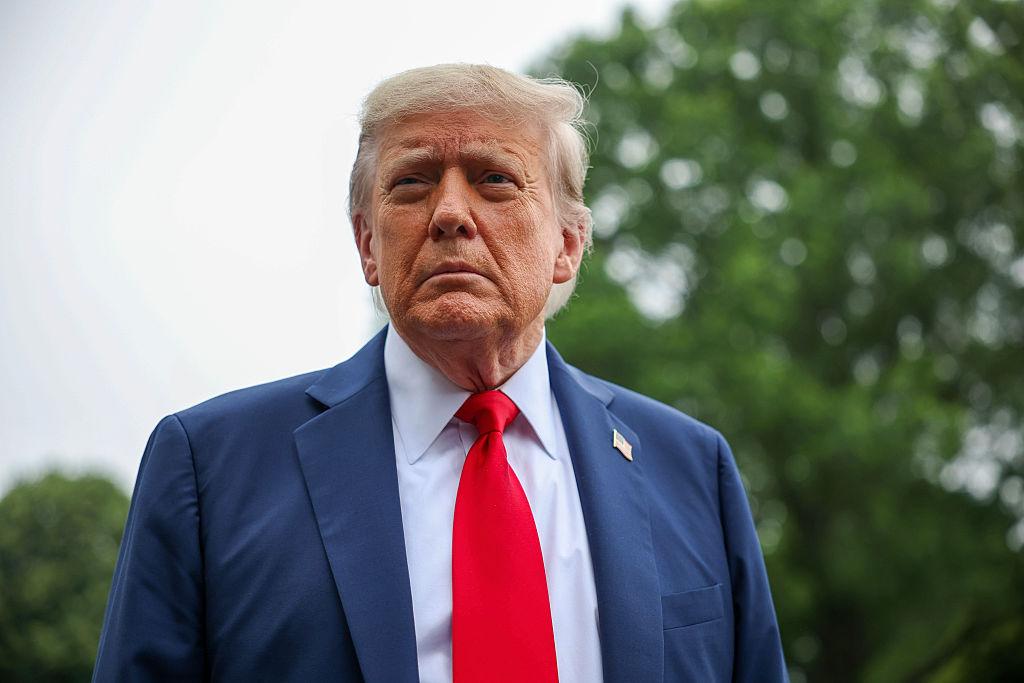
Two weeks after the United States launched military operations against Iran, the consequences of the conflict are rippling far beyond the battlefield. What initially appeared to be a limited strike aimed at weakening Iran’s military capabilities has quickly evolved into a complex geopolitical crisis one that is now testing both global stability and President Donald Trump’s political standing at home.
The conflict has triggered retaliatory strikes across the Middle East, unsettled global oil markets, and reopened long-standing debates about America’s role in the region. But perhaps the most immediate challenge for the White House is political. With midterm elections approaching, the war has placed Trump in an increasingly difficult position, facing criticism from opponents and unease within his own party.
Understanding how the situation reached this point and what might happen next requires looking beyond the headlines.
How the Iran Conflict Escalated
The latest confrontation between the United States and Iran did not emerge overnight. Tensions between the two nations have been building for decades, fueled by disputes over Iran’s nuclear ambitions, regional influence, and economic sanctions imposed by Washington.
In the months leading up to the current conflict, diplomatic negotiations aimed at limiting Iran’s nuclear program repeatedly stalled. U.S. officials accused Tehran of expanding uranium enrichment capabilities, while Iranian leaders argued that Western sanctions were crippling their economy.
When intelligence reports suggested that Iran was nearing a significant nuclear threshold, the United States and its allies decided to act. Military strikes targeting Iranian nuclear facilities and missile infrastructure marked the beginning of the current war.
Within hours, the region was on edge.
The First Two Weeks of War
Early Military Strikes
During the opening phase of the conflict, U.S. forces focused on disabling key Iranian military assets. Airstrikes targeted:
- Missile launch facilities
- Military command centers
- Air defense systems
- Strategic infrastructure tied to nuclear development
Pentagon officials described the strikes as part of a limited campaign designed to weaken Iran’s ability to threaten regional allies.
However, conflicts rarely follow neat plans.
Iran quickly demonstrated that it retained the ability to respond.
Iran’s Retaliatory Response
Tehran responded with a series of missile and drone attacks aimed primarily at Israeli targets and strategic locations linked to Western interests.
These attacks sent a clear message: Iran may have suffered damage, but it still had the capacity to escalate the confrontation.
The retaliation also increased fears that the conflict could expand across multiple fronts. Several regional actors aligned with Iran including armed groups in Lebanon, Iraq, and Syria signaled support for Tehran.
This raised the possibility that the war could evolve into a wider regional crisis.
Why the War Is Becoming a Political Problem for Trump
Foreign conflicts often shape domestic politics, and this war is no exception.
While presidents sometimes benefit from a temporary surge in public support during military crises, that effect can fade quickly especially if the conflict begins affecting the economy or appears open-ended.
Several political pressures are now converging around the White House.
Growing Public Concerns
For many American voters, the war raises familiar fears.
Questions are emerging about:
- how long the conflict might last
- whether U.S. troops could be drawn deeper into combat
- how the war might affect the economy
Gasoline prices have already begun fluctuating as global markets react to instability in the Middle East.
For households already dealing with inflation, the prospect of higher energy costs is particularly troubling.
Divisions Inside the Republican Party
The conflict has also exposed divisions within Trump’s own political coalition.
Some Republican leaders strongly support the military action, arguing that confronting Iran is necessary to prevent nuclear proliferation and protect U.S. allies.
Others, however, worry that the war contradicts Trump’s long-standing message of avoiding prolonged foreign conflicts.
These disagreements have created a complicated political environment as midterm elections approach.
Midterm Elections: A Political Clock Is Ticking
Timing plays a crucial role in politics.
With congressional midterm elections approaching, the Iran war has become more than a foreign policy issue—it is now part of the broader political narrative shaping the campaign season.
Historically, wars can influence elections in several ways.
1. The Rally Effect
In some cases, voters temporarily unite behind national leadership during times of crisis.
This phenomenon often called the “rally around the flag” effect can boost presidential approval ratings in the short term.
2. Economic Consequences
If a conflict begins to disrupt economic stability, however, public sentiment can shift quickly.
Energy price spikes, supply chain disruptions, or rising inflation could undermine political support.
3. War Fatigue
The longer a conflict continues without a clear outcome, the more likely voters are to question its purpose.
This dynamic has shaped public opinion during many past conflicts.
Which of these scenarios will define the Iran war remains uncertain.
Global Markets Are Watching Closely
The geopolitical stakes extend far beyond Washington.
Energy markets, international trade routes, and financial systems are all sensitive to instability in the Middle East.
One of the biggest concerns involves the Strait of Hormuz, a narrow shipping corridor through which a significant portion of the world’s oil supply travels.
If tensions escalate and shipping routes become unsafe, global energy prices could surge.
Even the perception of risk can trigger market volatility.
For countries heavily dependent on imported energy, the economic impact could be significant.
What Military Experts Are Saying
Military analysts caution that early battlefield success does not necessarily guarantee a quick end to the conflict.
Iran has spent decades developing strategies designed to counter more powerful militaries through asymmetric warfare.
These strategies include:
- proxy alliances across the Middle East
- missile and drone technology
- cyber operations
- maritime disruption tactics
Such capabilities allow Iran to extend conflicts beyond conventional battlefields.
This means the war could evolve in unexpected ways.
Possible Paths the Conflict Could Take
Looking ahead, analysts generally outline three potential scenarios.
Limited Conflict
The war could remain relatively contained, with both sides eventually seeking diplomatic off-ramps after initial military objectives are achieved.
Regional Escalation
If allied groups or neighboring countries become directly involved, the conflict could spread across the Middle East.
Prolonged Strategic Standoff
Another possibility is a long-term confrontation involving intermittent strikes, economic pressure, and diplomatic maneuvering.
Each outcome carries different political and economic consequences.
Conclusion
Two weeks into the Iran war, the conflict has already reshaped the political and geopolitical landscape. Military operations continue, but the broader implications from global energy markets to domestic political debates are becoming impossible to ignore.
For President Trump, the challenge now extends beyond battlefield strategy. The war is unfolding against the backdrop of a crucial election cycle, where economic stability, public opinion, and political unity all matter.
Whether the conflict ultimately strengthens or weakens the administration will depend on how events unfold in the weeks and months ahead.
What remains clear is that the stakes both internationally and politically are extraordinarily high.
