
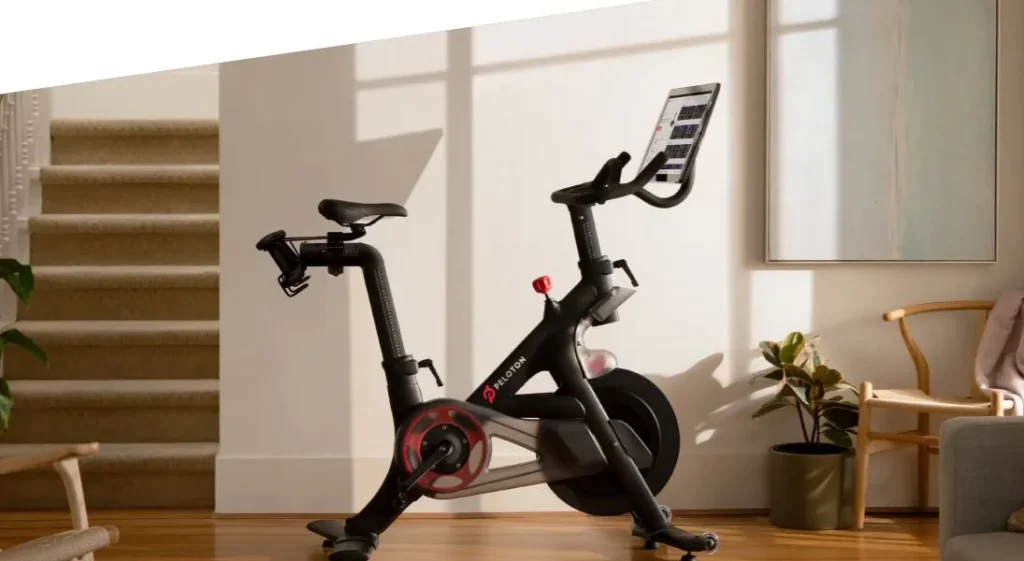
Many people invest in a Peloton bike hoping to transform their fitness routine. The platform offers expert-led workouts, real-time metrics, and structured training programs that can dramatically improve endurance and strength.
Yet some riders find themselves stuck. Despite riding regularly, their fitness progress stalls, recovery takes longer, or workouts feel harder without clear improvement.
In most cases, the problem isn’t a lack of effort it’s small mistakes that quietly reduce the effectiveness of each ride. These mistakes are surprisingly common, especially among newer riders who haven’t yet learned how to fully use the platform’s training tools.
Here are five Peloton mistakes that may be sabotaging your results and how to fix them.
1. Skipping a Proper Bike Fit
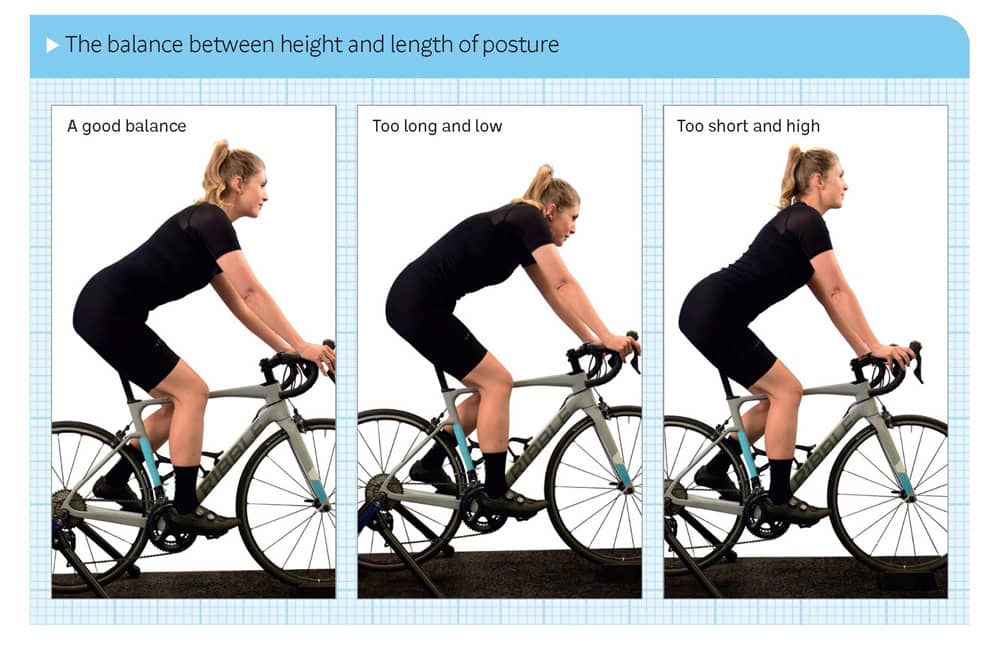
One of the most common mistakes riders make is jumping into workouts without properly adjusting their bike.
A poor bike setup affects more than comfort. It can lead to:
- Knee pain
- Lower back strain
- Hip discomfort
- Inefficient pedaling mechanics
Over time, improper positioning can reduce performance and even increase the risk of injury.
How to Fix It
Before starting regular rides, make sure you adjust:
- Seat height
- Handlebar height
- Seat forward/back position
These three adjustments ensure proper leg extension and comfortable posture during long rides.
If you’re unsure about your setup, consider following official bike fitting guides or seeking a professional cycling fit assessment.
2. Chasing the Leaderboard Instead of Your Own Progress
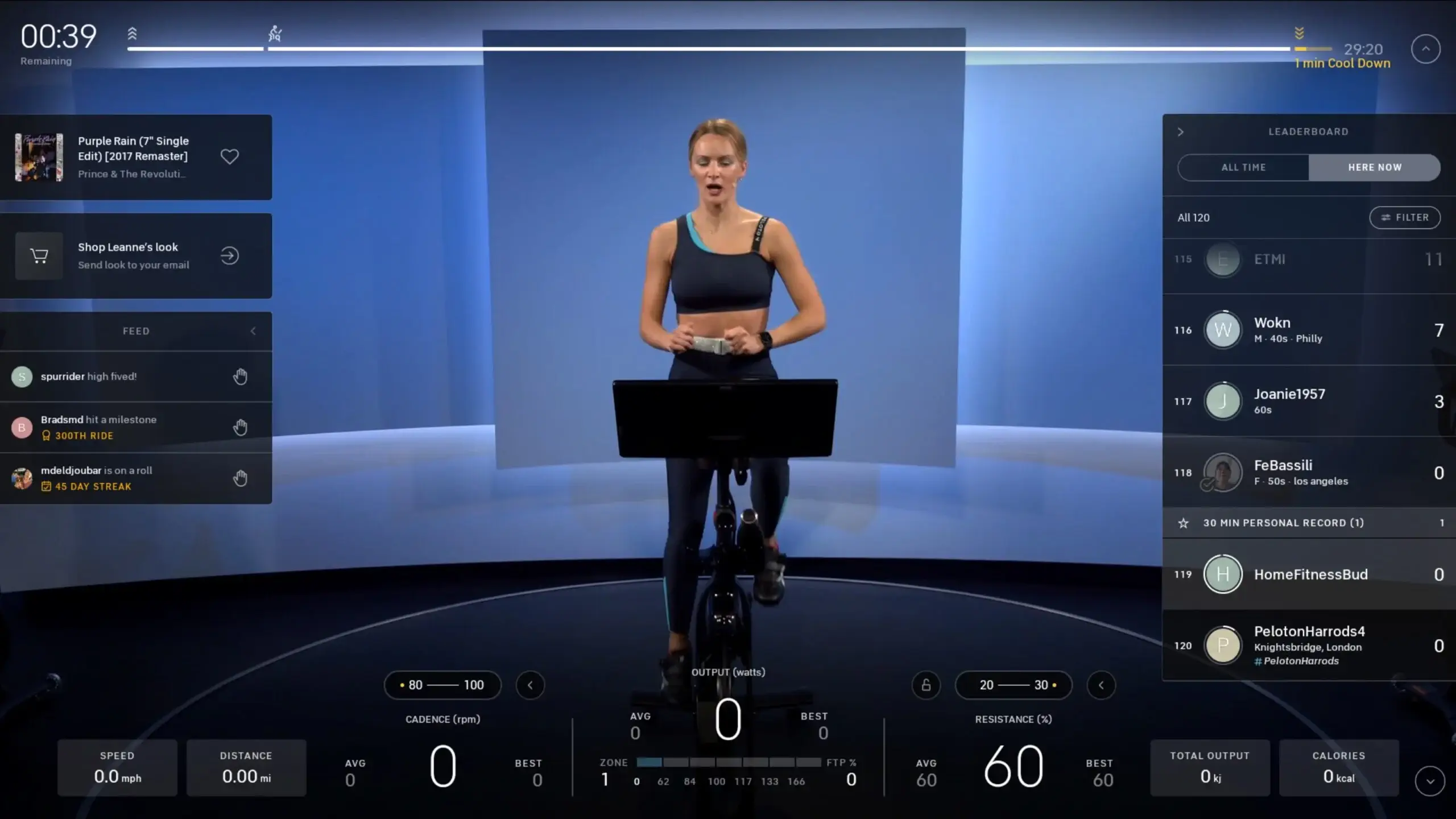
The leaderboard is one of Peloton’s most exciting features. It allows riders to compare their output with thousands of other participants in real time.
But focusing too much on rankings can actually hurt your training.
Many riders push beyond their ideal intensity just to climb the leaderboard, which can lead to:
- Burnout
- Inconsistent training effort
- Poor recovery
- Slower long-term progress
A Better Strategy
Instead of competing with others, train based on your own metrics using Power Zone Training.
Power Zone training helps riders:
- Train at personalized intensity levels
- Build endurance gradually
- Track measurable improvements over time
Real fitness progress happens when you focus on improving your past performance not beating strangers online.
3. Spinning Fast With Low Resistance

Fast pedaling with very little resistance may feel intense, but it often doesn’t provide a meaningful workout stimulus.
Without sufficient resistance:
- Muscles don’t engage properly
- Power output stays low
- Endurance and strength gains are limited
What Riders Should Do Instead
Peloton instructors always provide cadence and resistance ranges during classes for a reason.
To maximize results:
- Stay within the suggested resistance range
- Maintain controlled cadence
- Focus on consistent power output
Think of resistance as the strength-building component of your ride.
4. Only Taking Cycling Classes
Many Peloton members use their bike exclusively for cycling classes and ignore the platform’s other training options.
That’s a missed opportunity.
Balanced fitness requires more than cardio. Without cross-training, riders may experience:
- Muscle imbalances
- Slower recovery
- Increased injury risk
- Plateaued performance
Add These Workouts to Your Routine
To improve overall performance, include:
- Strength training
- Stretching sessions
- Yoga or mobility classes
- Core workouts
These complementary exercises support recovery, improve flexibility, and make you a stronger rider overall.Read more related topics here
5. Riding Too Hard Too Often
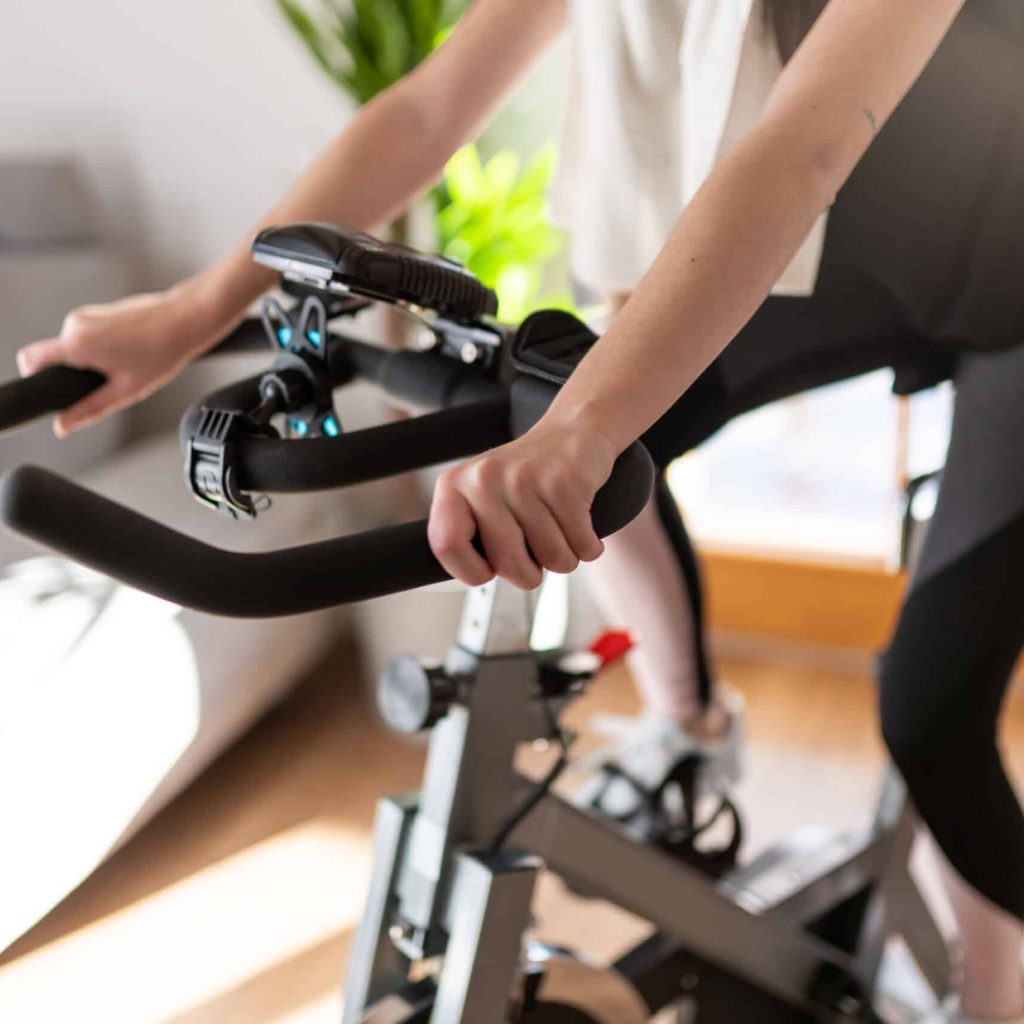
Many riders believe that pushing hard every day leads to faster results.
In reality, constant high-intensity workouts can slow progress.
Without adequate recovery, the body cannot fully adapt to training stress. This leads to:
- Accumulated fatigue
- Performance plateaus
- Increased injury risk
- Mental burnout
The Smarter Training Approach
A balanced weekly routine should include:
- High-intensity rides
- Low-intensity endurance rides
- Recovery days
- Mobility or stretching sessions
Fitness improvements happen during recovery, not just during the workout itself.
The Common Thread Behind These Mistakes
All five mistakes share the same underlying issue: prioritizing intensity over smart training.
The most successful Peloton riders aren’t necessarily the ones who push the hardest—they’re the ones who train strategically.
By focusing on:
- Proper bike setup
- Structured training zones
- Balanced workouts
- Adequate recovery
you can unlock the full potential of your Peloton training program.
FAQ
Why am I not seeing results from my Peloton workouts?
Common reasons include poor bike setup, ignoring resistance cues, overtraining, or focusing too much on leaderboard rankings instead of structured training.
How often should I ride a Peloton bike?
Most riders benefit from 3–5 rides per week, combined with strength training and rest days.
Is Power Zone training better for progress?
Yes. Power Zone training helps riders train at personalized intensity levels, making workouts more effective and sustainable.
Do Peloton riders need strength training?
Absolutely. Strength workouts improve muscle balance, increase power output, and reduce injury risk for cyclists.
Conclusion
Peloton provides a powerful training platform, but results depend on how effectively you use it.
Avoiding common mistakes like skipping bike setup, chasing leaderboard rankings, ignoring resistance, neglecting cross-training, and overtraining can dramatically improve your progress.
By training smarter instead of simply training harder, you’ll build stronger endurance, recover faster, and see consistent results from every ride.
